← Stories

College

Same diagnosis, fifteen years apart.

This story includes cancer and loss.

Sara rests her chin on her hand under a desk lamp, surrounded by stacks of college essays.

Senior year was supposed to be the easy part. Sara has been yawning through every class for weeks, and she blames the college essays piling up on her desk.

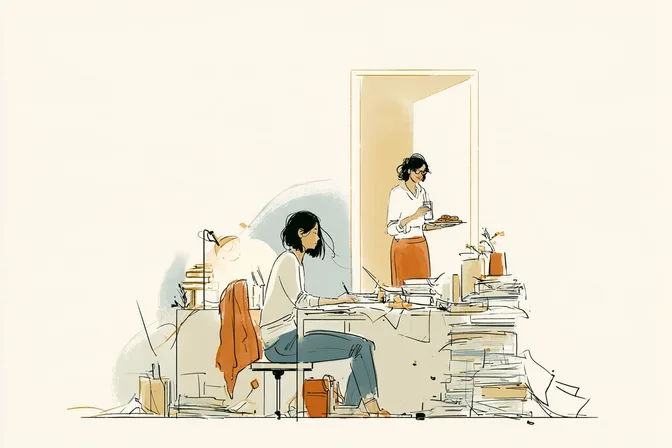
Sara writes at a cluttered desk while her mother stands in the doorway with milk and cookies.

Mom always knew when Sara had hit the wall. Tonight it's milk, cookies, and a joke about too much coffee. She just didn't know why Sara looked so pale.

Sara doubles over a desk as a glass spills, and her mother runs in from the doorway.

Then the pain came, all at once. The glass hit the floor before either of them understood what was happening.

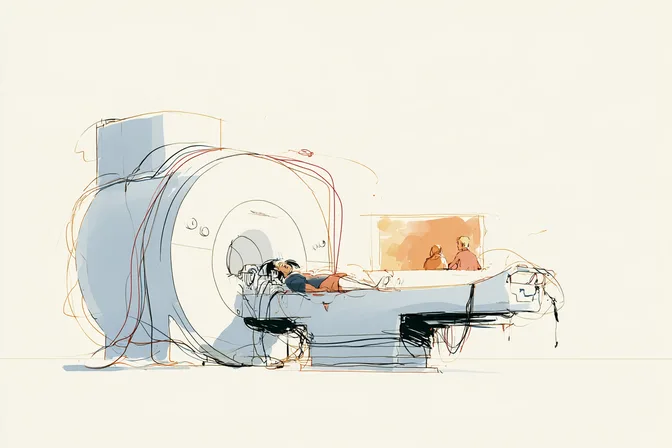
Sara lies on a scanner bed while two people wait beyond the glass.

In the ER, a scan looked inside Sara's body. Nobody said anything, which said everything.

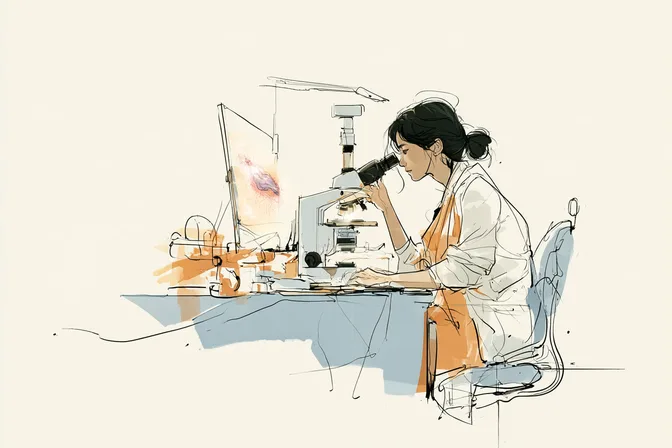
A pathologist looks through a microscope at a stained tissue sample shown on a monitor.

A tiny piece of Sara went to the lab, where a pathologist she would never meet read it under the microscope. The stained cells told the truth: melanoma.

Two friends laugh in a pool as one points to a mole on the other's shoulder.

Last summer, a friend at the pool had laughed that Sara's mole looked like Ohio. It had started there, and quietly spread.

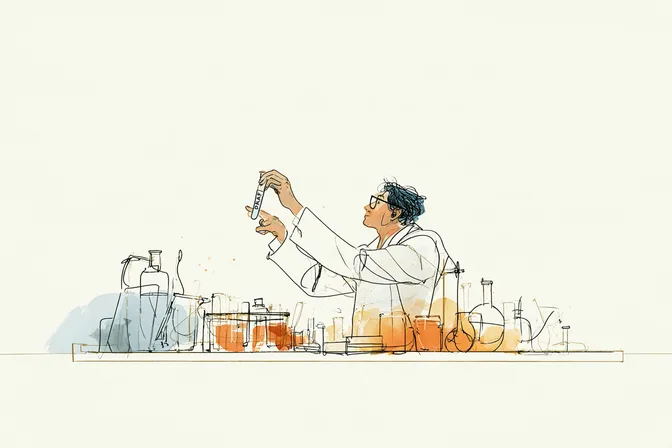
2010 A scientist holds a test tube up to the light at a bench of bottles and flasks.

Sara had just turned 18. In 2010, doctors could run one genetic test on her tumor. It found a BRAF mutation, and that meant one chance: a new pill being tested in a clinical trial.

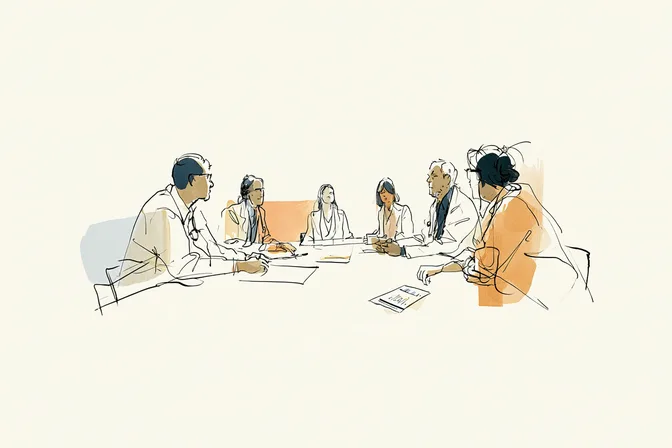
2010 Sara sits with five clinicians around a conference table.

Her care team did everything they could. There were just so few good options.

2010 Sara dances with her father, both of them smiling.

The pill worked. For months, Sara danced, laughed, and let her parents dance badly beside her. Everyone let themselves hope.

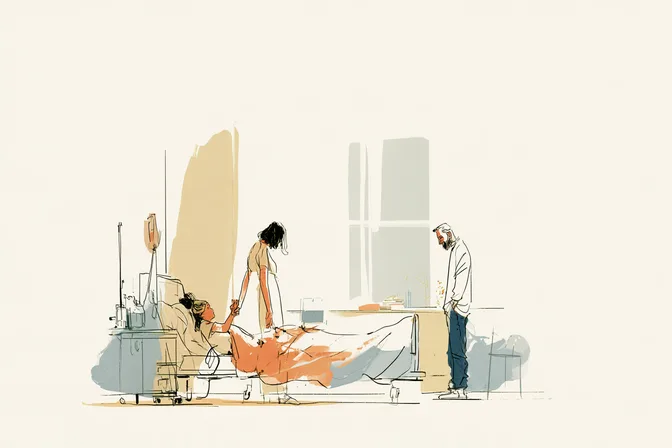
2010 Sara lies in a hospital bed holding her mother's hand while her father stands by the window.

Then the scan came back. The cancer had learned to get around the drug.

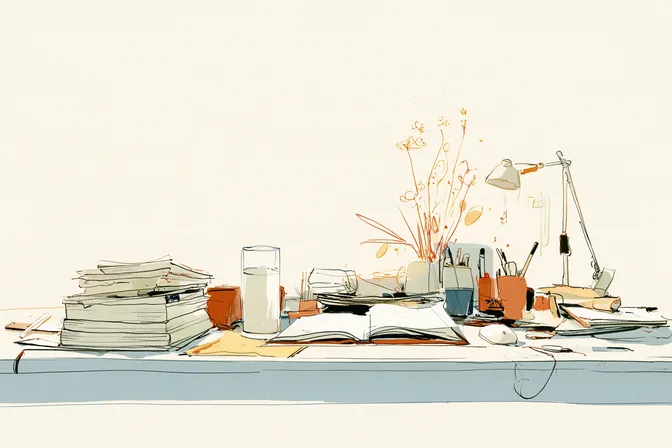
2010 An empty desk holds stacked essays, an open notebook, and a full glass of milk.

Sara had months, not years. In spring, her essays sat stacked neatly beside a glass of milk nobody drank.

2025

Fifteen years later.

Today, someone like Sara has more options.

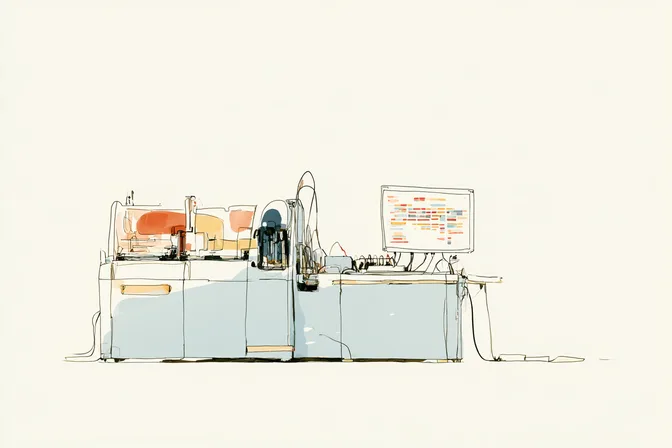
2025 A DNA sequencing machine sits beside a monitor covered in colored genetic data.

This time, doctors sequenced the DNA of her tumor and read its whole playbook, not just one page.

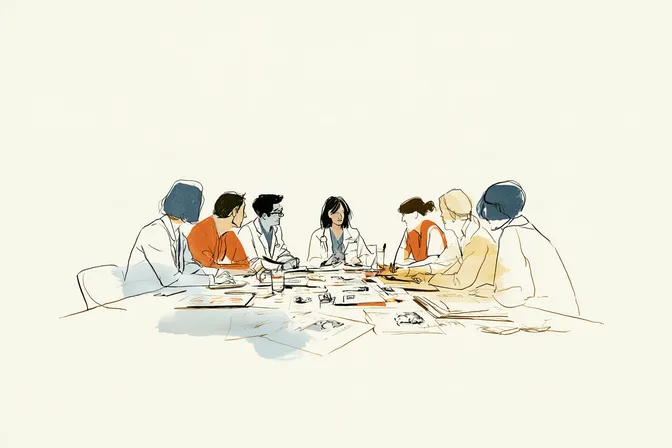
2025 Sara meets with a larger care team around a table of scans and notes.

Same team, same care, but this time they had choices: surgery, targeted pills ready if needed, and a new kind of medicine.

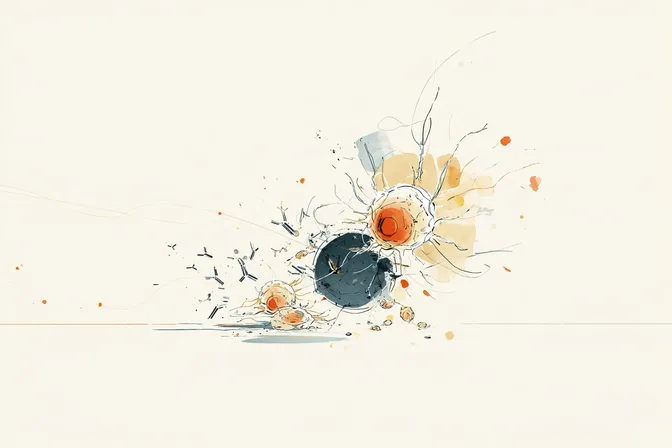
2025 Illustrated immune cells, one large and dark, among smaller cells.

The new drugs didn't attack the cancer. They were antibodies that released the brakes on Sara's own immune cells, so her body could fight back.

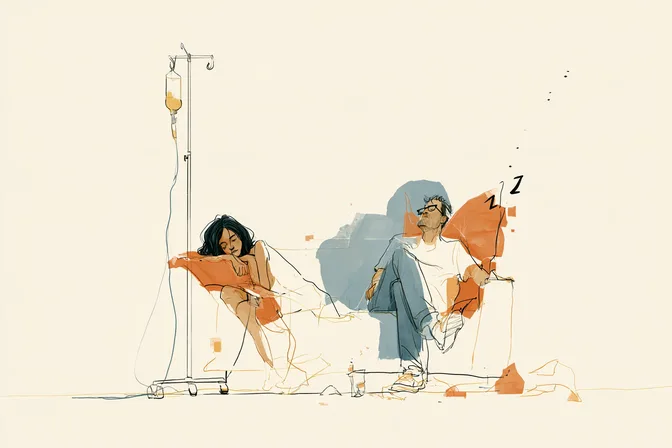
2025 Sara rests in a hospital bed beside an IV pole while her father sleeps in a chair.

It wasn't easy. Her immune system hit her gut, too, and for one scary week her doctors watched closely while steroids calmed it down.

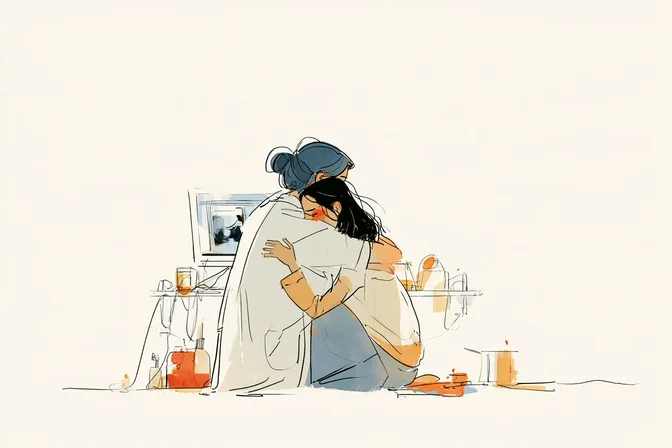
2025 Sara and her mother embrace in front of a monitor showing a medical scan.

Then came the scan that was clear. It doesn't work for everyone. For Sara, it did.

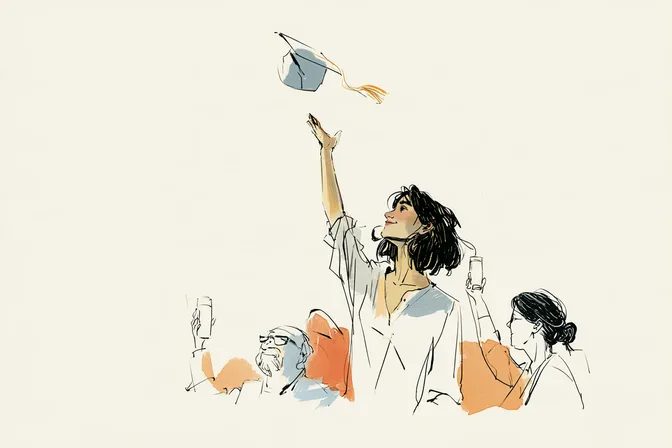
2025 Sara tosses her graduation cap while her parents raise glasses of milk.

She made it to the part she'd been writing essays about. Mom brought milk to graduation, just because.

2025 Years later, Sara sits on a porch holding her newborn, with her partner beside her.

Years later, on a porch, Sara holds her newborn. Fifteen years of science gave Sara this.

Learn more and find support

In 2010, advanced melanoma was usually fatal within a year. Today, in a landmark trial of combination immunotherapy, about half of previously untreated patients were alive five years later. Sara is fictional; her 2025 story reflects what is now possible.

Sources: Korn et al., J Clin Oncol 2008; Larkin et al., N Engl J Med 2019.